Brazil’s Pix draws international interest as US tariff names the payment system
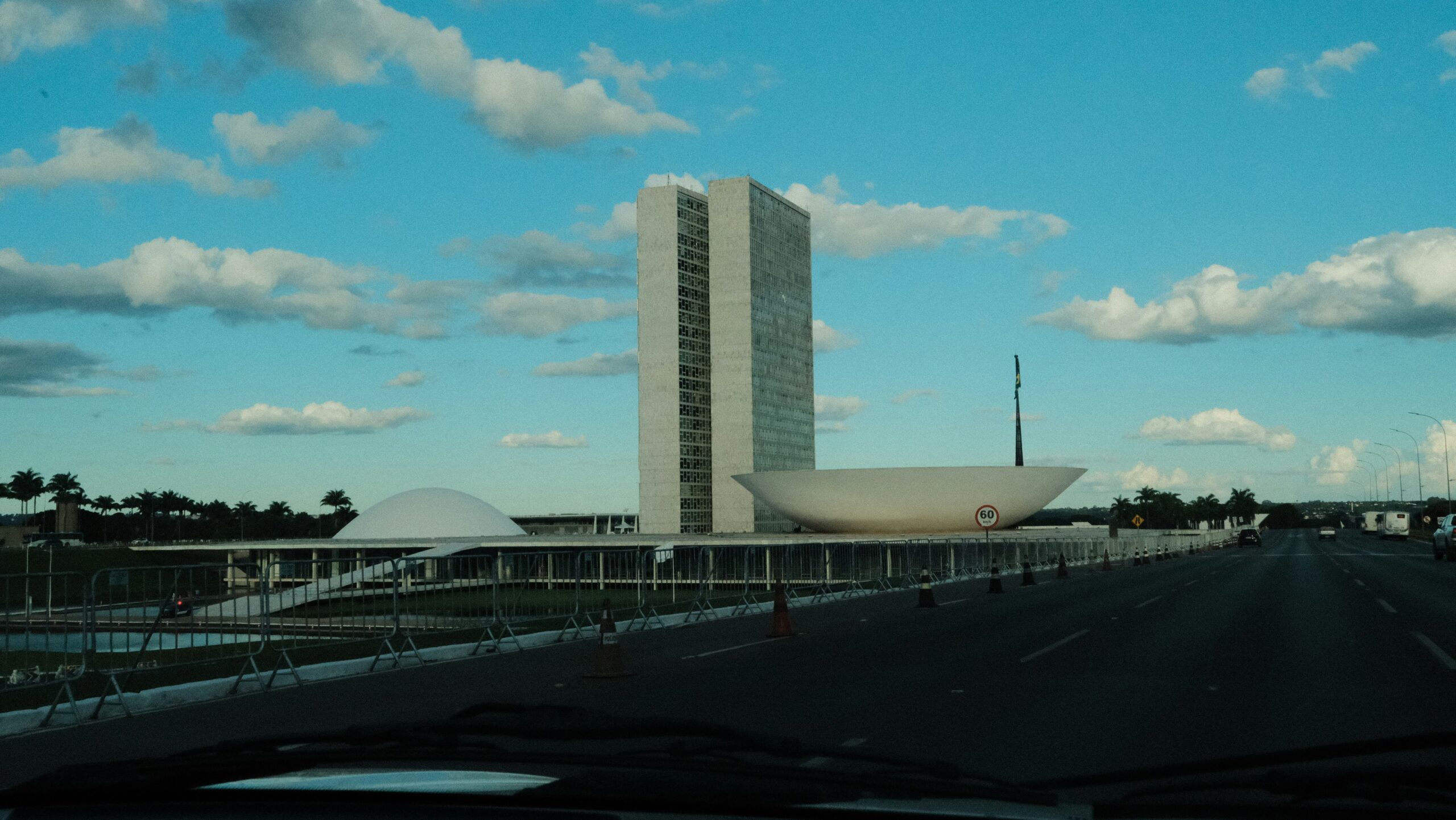
Brazil’s Pix, the instant-payment system run by the country’s central bank, is drawing interest from monetary authorities abroad even as it sits at the center of a trade dispute with the United States, according to reporting by Reuters published on July 21. At a July 16 press conference, central bank governor Gabriel Galipolo said monetary authorities in dozens of countries had expressed interest in the technology.
The comments followed a US decision to impose a 25 percent tariff on a range of Brazilian goods, which took effect on July 22. The Office of the United States Trade Representative announced the action on July 15 under Section 301 of the Trade Act of 1974, citing six Brazilian practices, one of which concerns electronic payments. A USTR fact sheet said Brazil had disadvantaged US firms in electronic payment services, including through policies that favor Pix.
Pix launched in November 2020. The central bank built the system, required the country’s largest financial institutions to offer it, and set the price to individuals at zero. Reuters reported that Pix has about 170 million users, roughly 80 percent of Brazil’s population, and that it overtook card transactions by its third year of operation. Credit cards’ share of transactions has fallen to about 15 percent from around 20 percent before Pix launched, while the debit share dropped to about 10 percent from about 26 percent, according to the same report.
US card networks have argued for years that a free, state-run system operated by the same body that regulates it disadvantages foreign competitors. A senior US administration official told Reuters that Washington was not seeking to eliminate Pix, but objected to preferential treatment arising from government ownership and operation.
Brazilian officials rejected the characterization. “No one is going to change our Pix,” President Luiz Inacio Lula da Silva wrote on social media on July 17, according to Reuters, describing the system as public and free. Galipolo said Pix was a public service rather than a competitor to card firms, and argued that it had expanded access to financial services, bringing tens of millions of people into the banking system.
The system has begun to move beyond Brazil’s borders. On March 6, Banco do Brasil, through its Argentine subsidiary Banco Patagonia, activated a feature allowing Brazilian Pix users to pay Argentine merchants by QR code, with the transaction debited in reais and settled to the merchant in pesos, Reuters reported at the time. The bank said it was evaluating extensions to other countries.
Brazil said it would respond to the tariff through a reciprocity law passed by its Congress and signaled it could take the matter to the World Trade Organization, according to wire reports on July 16. The government estimated the US measure affects about 7.4 billion dollars of its exports.