How does Revolut work? A complete guide
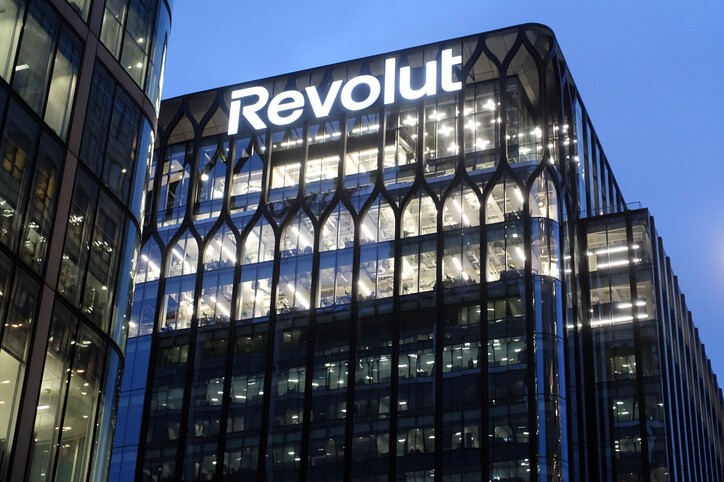
Revolut is one of the most widely used financial apps in Europe, offering everyday banking, currency exchange, budgeting tools, and investing in a single app. This guide explains what Revolut is, how it works, what it costs, and how it’s regulated — so you can decide whether it fits your needs.
Revolut started in 2015 as a prepaid card aimed at travelers who wanted to avoid poor currency exchange rates. It has since grown into a broader financial platform used by tens of millions of customers across dozens of countries, offering current accounts, multi-currency cards, savings and investing tools, and business accounts. In March 2026, Revolut received a full UK banking licence, moving it from an e-money institution into a regulated bank in its home market — a significant shift in how the product is structured and protected.
What Is Revolut?
Revolut is a financial technology company that offers banking-style services through a mobile app rather than physical branches. Depending on where a customer is based, their account may be held with a licensed bank entity or an electronic money institution (EMI), which affects how funds are protected. The service combines everyday spending and transfers with additional tools such as savings, budgeting, stock and crypto trading, and travel-related features like eSIMs and insurance.
Quick Definition
- What it is
- A mobile-first financial app offering accounts, cards, currency exchange, and investing
- Founded
- 2015, London, UK
- Regulatory status
- Full UK bank (since March 2026); EU banking licence via Lithuania; other jurisdictions vary
- Core products
- Current account, debit card, currency exchange, savings, investing, business accounts
How Does Revolut Work? Getting Started
Opening a Revolut account is done entirely through the mobile app, without a branch visit. The typical process looks like this:
- Download the app and enter basic personal details, such as name, date of birth, and address.
- Verify your identity by uploading a form of ID and taking a selfie, which is checked using automated identity verification.
- Fund the account by transferring money in from an existing bank account or card.
- Order a card — a virtual card is usually available immediately, with a physical card available to order and delivered by post.
- Set up additional features, such as currency accounts, savings pots, budgeting tools, or linking payment methods like Apple Pay or Google Pay.
Once set up, the account functions similarly to a standard current account: customers can receive salary payments, pay bills, make card payments, and transfer money to other people, either within Revolut or to external bank accounts.
Core Features
Revolut’s app is organized around a small number of core features that most customers use regularly, plus a wider set of optional tools.
| Feature | What It Does |
|---|---|
| Multi-currency account | Hold and manage balances in multiple currencies within the same app |
| Currency exchange | Convert between currencies at the interbank rate, subject to monthly limits and fees on paid plans |
| Debit card | Physical and virtual cards for online and in-person spending, with optional single-use virtual cards |
| Budgeting tools | Spending categorization, budgets, and analytics based on transaction history |
| Vaults / savings pots | Set-aside savings for specific goals, with optional round-up features |
| Instant Access Savings | Interest-bearing savings, with rates that vary by account plan and currency |
| Investing | Fractional stock trading, and in some markets, commodities and crypto trading |
| Revolut Business | A separate product line for company accounts, expense management, and business payments |
Availability of specific features depends on the customer’s country of residence, as products are rolled out market by market and are subject to local regulatory approval.
Revolut Account Plans
Revolut offers a free plan alongside several paid tiers, which typically add higher limits, lower fees, and extra perks such as travel insurance or airport lounge access. Exact fees and limits vary by country and change periodically, so it’s worth checking Revolut’s own pricing page for current figures, but the general structure looks like this:
| Plan | Cost | General Positioning |
|---|---|---|
| Standard | Free | No monthly fee; basic currency exchange and card use with monthly limits |
| Plus | Low monthly fee | Higher exchange limits and some fee reductions over Standard |
| Premium | Mid-tier monthly fee | Higher limits, travel insurance, and priority customer support |
| Metal | Higher monthly fee | Metal card, cashback on card spending, and expanded perks |
| Ultra | Highest monthly fee | Highest limits, broadest perks, and preferential savings rates |
Is Revolut a Bank?
Whether Revolut counts as a “bank” depends on where the account is held, since the company operates through several different regulated entities.
| Region | Entity Type | Deposit Protection |
|---|---|---|
| United Kingdom | Full bank (Revolut Bank UK Ltd, licensed by the PRA as of March 2026) | FSCS protection up to £120,000 per person, for eligible accounts |
| European Economic Area | Bank (Revolut Bank UAB, licensed in Lithuania) | EU deposit guarantee scheme protection up to €100,000 per person, for eligible accounts |
| United States | Partner-bank model; a US banking charter application is in progress | FDIC pass-through coverage via partner banks, subject to conditions |
| Other markets | Varies — e-money institution or local licensing arrangements | Protection depends on local regulation and entity type |
Because Revolut has historically operated as an e-money institution in several markets rather than a bank, customer funds in those accounts were typically held as safeguarded funds rather than covered by a deposit protection scheme. The UK’s move to full banking status changes this for eligible UK accounts, but customers should check which entity their account sits under, since protections and products can differ.
Revolut vs Traditional Banks
| Revolut | Traditional High Street Bank | |
|---|---|---|
| Account opening | Fully digital, typically minutes | Often requires branch visit or lengthy online forms |
| Physical branches | None | Usually available |
| Currency exchange | Interbank rates, with monthly free allowance | Often includes a mark-up on exchange rates |
| Fee structure | Free base tier with optional paid plans | Varies; some free accounts, others with monthly fees |
| Product range | Banking, investing, and crypto in one app | Typically banking-focused, with investing via separate products |
| Customer support | Primarily in-app chat, with phone support on some plans | Branch, phone, and online support |
Things to Consider Before Signing Up
- Check which entity holds your account. Protection levels and product availability differ between the UK bank, the EU bank, and e-money entities in other markets.
- Understand the fee structure. The free plan covers many everyday needs, but heavy currency exchange, ATM withdrawals, or international transfers may be cheaper on a paid plan — or may not, depending on usage.
- Review fair usage limits. Fee-free currency exchange and ATM withdrawals are typically capped each month, with charges applying above the limit.
- Consider customer support needs. As a primarily app-based service, support is mostly digital, which may not suit everyone.
- Read the terms for investing and crypto products, since these carry investment risk and are treated differently from standard deposit accounts.
Frequently Asked Questions
Is Revolut safe to use?
Revolut operates under financial regulation in each market it serves, though the type of licence and the resulting protections vary by country and by which Revolut entity holds the account. Customers can check their app or Revolut’s website to confirm which entity and protection scheme applies to their account.
Does Revolut have a UK banking licence?
Yes. Revolut received a full UK banking licence from the Prudential Regulation Authority in March 2026, after operating under a restricted licence since 2024. Eligible deposits held with Revolut Bank UK Ltd are covered by the Financial Services Compensation Scheme up to £120,000 per person.
Is Revolut free to use?
Revolut’s Standard plan has no monthly fee and includes basic banking, card, and currency exchange features. Paid plans add higher limits, additional perks, and lower fees on some transactions, and may suit customers with heavier usage.
Can I use Revolut as my main bank account?
Many customers do use Revolut for everyday spending, salary deposits, and bill payments. Whether it’s suitable as a sole main account depends on individual needs, such as access to cash deposits, in-person branch support, or specific lending products, which may still be more established at traditional banks.
What’s the difference between Revolut’s banking and e-money accounts?
A banking account, such as the UK’s Revolut Bank UK Ltd, is covered by a formal deposit protection scheme up to a set limit. An e-money account holds customer funds in safeguarded accounts, which is a different form of protection, without deposit insurance. The entity backing an account depends on the customer’s country of residence.
The Bottom Line
Revolut has moved from a niche travel card to a broad financial platform, and its regulatory footprint has grown alongside it — most notably with the UK banking licence granted in March 2026. For everyday spending, currency exchange, and budgeting, it offers a digital-first alternative to traditional banks. As with any financial provider, it’s worth checking which legal entity holds your account, what protections apply, and whether the fee structure suits how you actually use the app before making it your primary account.