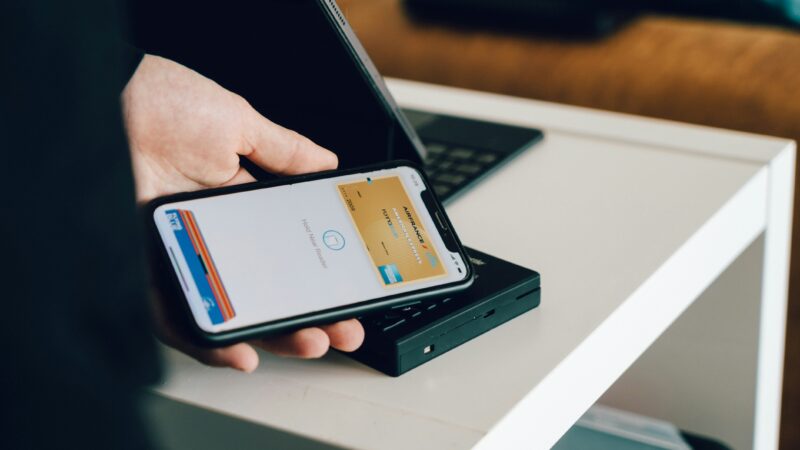
Wero launches in Luxembourg, replacing Payconiq for 300,000 users

Wero, the pan-European digital wallet built by the European Payments Initiative, began its rollout in Luxembourg on September 1, according to a report by the Chronicle. The launch had originally been planned for July 1 but was pushed back two months for what EPI described as regional alignment.
The rollout replaces Payconiq, the mobile payment app that has served Luxembourg since 2018 and counts about 300,000 users in the country. Throughout September, participating banks, payment service providers and other organisations across the country’s payments ecosystem are moving customers through the migration in phases rather than all at once, EPI said in a press release cited by the Chronicle.
“We can combine the success story of Payconiq, which is very strong with local players already today, and we will, of course, leverage on this, but we can also add the scale of Wero when it comes to bringing new acceptance players, new acquirers on the market,” an EPI executive said, according to the Chronicle. Hakan Sekulu, chief executive of Worldline in Luxembourg, said customer adoption, easy integration and frictionless checkout would determine whether the switch succeeds.
Payconiq’s app will shut down permanently on September 30. Existing Payconiq QR codes on invoices and in stores will remain scannable through the Wero app until the end of the year, a transition EPI called central to letting consumers move across naturally rather than facing a hard cutoff.
Luxembourg is the first market where Wero is taking over in-store payments as well as transfers and online checkout, according to Wikipedia’s Wero entry, which cites the switch as the service’s first complete replacement of a national payment network. In Germany and France, where Wero launched in 2024, the service has so far covered person-to-person transfers and, since November 2025, e-commerce checkout, with in-store QR payments still being rolled out separately.
EPI is backed by eighteen European banks and payment service providers as shareholders, with more than fifty further institutions across the continent as members. The organisation has positioned Wero as a European alternative to Visa, Mastercard, PayPal and other non-European payment providers, and EPI director Martina Weimert has separately criticised the European Central Bank’s digital euro project as risking duplicate infrastructure alongside Wero’s instant payment network.